
Richard III (1483–1485) – The Princes in the Tower and Bosworth
- Belinda Hath
- Aug 1
- 4 min read
Who Was Richard III?
Few English kings have a reputation quite like Richard III.
He ruled for just two years, yet his name has become associated with murder, betrayal, the mysterious Princes in the Tower and one of the most famous battles in English history.
Richard was the younger brother of Edward IV and uncle of the 12-year-old Edward V. After Edward IV died, Richard was appointed protector of the young king. Within weeks, Edward V and his younger brother were declared illegitimate, Richard took the crown—and the two princes disappeared.
Was Richard a ruthless uncle who murdered two children to become king? Or was much of the story created by his enemies after his death? More than 500 years later, historians are still arguing about it.

Did Richard Murder the Princes?
This is the question that has haunted Richard's reputation ever since.
The princes disappeared while Richard controlled the Tower of London, and their deaths certainly benefited him. As long as Edward V lived, Richard's position on the throne could be challenged. But there is a problem. There is no surviving evidence proving Richard ordered their murder.
Other people also had reasons for wanting the princes gone, and we don't even know exactly when the boys died. After Richard's death, the Tudors had every reason to portray the king they had defeated as an evil usurper. So Richard remains the obvious suspect—but the case against him has never been conclusively proved.
Shakespeare Creates a Monster
More than a century later, William Shakespeare helped turn Richard III into one of history's greatest villains.

In his play Richard III, Shakespeare portrays him as a ruthless, physically deformed murderer prepared to kill anyone standing between himself and the crown.
But Shakespeare was writing during the reign of Elizabeth I, the granddaughter of Henry VII—the man who had defeated Richard and founded the Tudor dynasty. Making Richard the villain made the Tudors look like England's rescuers.
Shakespeare's Richard even cries: "A horse! A horse! My kingdom for a horse!"
It's one of the most famous lines in English theatre. But there is no evidence the real Richard ever said it.
The Battle of Bosworth
Richard's greatest threat came from an unlikely challenger named Henry Tudor.
Henry had a distant Lancastrian claim to the throne and had spent years in exile. In 1485, he landed in Wales with an army and marched into England. Richard gathered his forces, and the two armies met at Bosworth Field on 22 August 1485. During the battle, Richard saw Henry Tudor relatively exposed and made an extraordinary decision.
Rather than retreat, Richard personally led a cavalry charge directly towards Henry, hoping to kill his rival and end the battle in one dramatic attack. Richard reportedly killed Henry's standard-bearer and came frighteningly close to reaching him. But Richard's horse became trapped, and his forces were overwhelmed. Richard refused to flee.He was killed fighting. He became the last English king to die in battle.

The End of the Plantagenets
Richard's death changed English history.
Henry Tudor was declared King Henry VII and later married Elizabeth of York, Edward IV's daughter. The marriage symbolically united the rival Houses of Lancaster and York.
After decades of fighting, the Wars of the Roses were approaching their end. And a completely new royal dynasty had arrived: The Tudors.
The King Under a Car Park
Then, more than 500 years later, Richard III's story took an extraordinary turn. After Bosworth, Richard's body had been taken to Leicester and buried at Greyfriars Church.
The monastery was later destroyed, and over the centuries the location of his grave was forgotten. Eventually, part of the site became... a car park.
In 2012, archaeologists began digging beneath it looking for Richard. Remarkably, they found a skeleton almost immediately. The bones showed severe battle injuries and a curved spine. DNA testing and other evidence confirmed what seemed almost unbelievable: They had found Richard III.
In 2015, Richard was reburied with great ceremony in Leicester Cathedral.
More than five centuries after dying at Bosworth, England's lost king finally had a marked grave.
Did You Know? – Was Richard Really a Hunchback?
Shakespeare famously portrayed Richard as a deformed hunchback. When Richard's skeleton was discovered, archaeologists found that he really did have a condition called scoliosis, which caused his spine to curve sideways. But he did not have the dramatic hunchback described by Shakespeare. One shoulder may have appeared slightly higher than the other, but with clothing his condition may not have been particularly obvious.
Once again, there was a little truth behind the legend—but Shakespeare made it much more dramatic.
Three Things to See
Tower of London
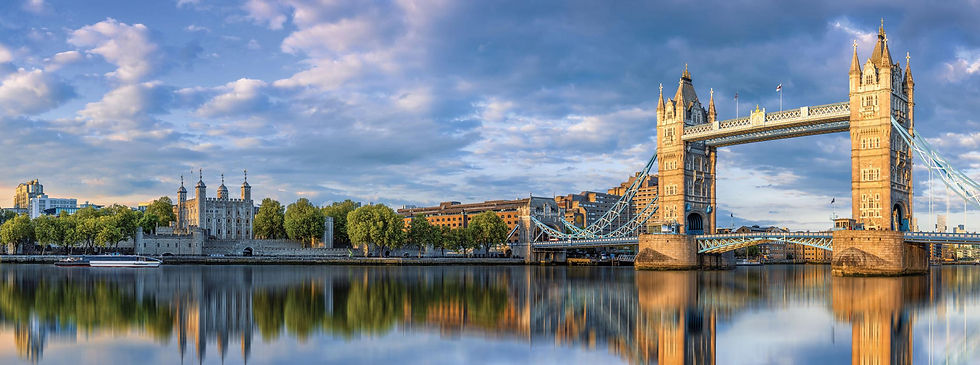
Visit the place forever associated with Richard's missing nephews, the Princes in the Tower.
Bosworth Battlefield
Walk across the landscape where Richard III fought his final battle and the Tudor dynasty was born.
Leicester Cathedral
Richard III's modern tomb can now be seen inside Leicester Cathedral, close to the site where his remains were rediscovered.
Historical Highlights
1452 – Richard is born.
1483 – Edward IV dies.
1483 – Edward V and his brother disappear from public view.
1483 – Richard becomes King Richard III.
1485 – Henry Tudor invades England.
22 August 1485 – Richard is killed at the Battle of Bosworth.
2012 – His remains are discovered beneath a Leicester car park.
2015 – Richard is reburied in Leicester Cathedral.
Imagine This...
It's 22 August 1485. Across the battlefield, Richard spots Henry Tudor. Richard knows exactly what he has to do. Kill Henry, and the rebellion could collapse. So the King of England lowers his weapon and charges directly towards him. Men fall around him.
Richard gets astonishingly close. Then his horse is lost, enemy soldiers surround him, and Richard is offered the chance to escape. He refuses. The last Plantagenet king dies fighting for his crown.
Guide's Insider Tip
When you visit the Tower of London, stand near the White Tower and remember that you're at the centre of two connected mysteries: the disappearance of the Princes and the reputation of their uncle Richard III.
Then look at Richard's portraits again. Are you looking at one of England's most ruthless kings—or a defeated monarch whose enemies wrote the story? That's what makes Richard III so fascinating.


Comments