
Mary I (1553–1558) – Bloody Mary: England's First Queen
- Belinda Hath
- Aug 2
- 6 min read
Who Was Mary I?

Mary I has gone down in history with one of the most chilling royal nicknames:
"Bloody Mary." But her story is more complicated than the nickname suggests.
Mary was the daughter of Henry VIII and Catherine of Aragon. She grew up a Catholic princess and was once the adored daughter of the king. Then Henry fell in love with Anne Boleyn. Henry's marriage to Catherine was annulled, Mary was declared illegitimate, separated from her mother and pressured to accept that her father—not the Pope—was head of the Church in England.
Mary never abandoned her Catholic faith. So when her Protestant half-brother Edward VI died in 1553 and tried to leave the crown to Lady Jane Grey, Mary was determined to fight for what she believed was rightfully hers. And England rallied behind her.
Lady Jane Grey – The Nine Days' Queen
Before Edward VI died, he tried to prevent Catholic Mary from becoming queen. Instead, he named their Protestant relative Lady Jane Grey as his successor. Jane was the granddaughter of Mary Tudor, Henry VIII's younger sister—not Mary I.
When Edward died in July 1553, Jane was proclaimed queen. Mary refused to accept it. She escaped to East Anglia, gathered supporters and demanded recognition as Henry VIII's rightful heir. Thousands joined her. Within just nine days, Jane's support collapsed and Mary entered London in triumph. For the first time, England had a woman successfully claiming and exercising the Crown in her own right.
What Happened to Lady Jane Grey?
Initially, Mary showed Jane considerable mercy. She seems to have recognised that the teenage Jane had largely been used by ambitious adults. Jane was imprisoned in the Tower of London, but Mary did not immediately execute her.
Then Jane's father became involved in Wyatt's Rebellion in 1554, a revolt sparked partly by opposition to Mary's proposed Spanish marriage. As long as Jane remained alive, Protestant rebels could use her as an alternative queen. Mary decided she could no longer take that risk. On 12 February 1554, Lady Jane Grey was executed at the Tower of London. She was probably only 16 or 17 years old.
Why Was Mary So Determined to Make England Catholic Again?
Mary genuinely believed her father and brother had led England away from the true faith. Remember the sequence:
Henry VIII changed who ran the Church.
Edward VI changed what the Church believed.
Now Mary wanted to change both back. She restored England's relationship with the Pope, brought back Catholic worship and reversed many of Edward VI's Protestant reforms. To Mary, this wasn't simply politics. She believed she was saving people's souls. But it was the methods used against those who refused that would give Mary her terrible reputation.
Why Was She Called "Bloody Mary"?
Between 1555 and 1558, around 280 Protestants were burned at the stake for heresy during Mary's reign.
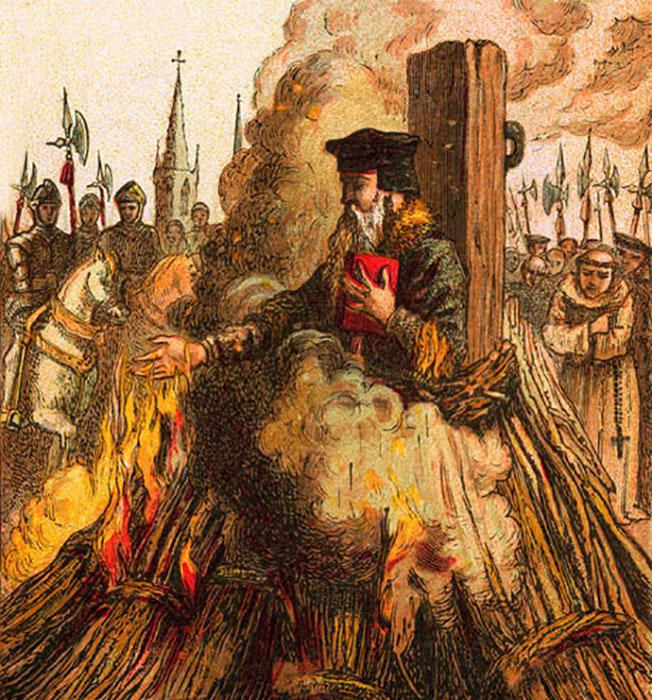
Among the most famous victims were bishops Hugh Latimer and Nicholas Ridley, who were burned in Oxford. Then came Thomas Cranmer, the former Archbishop of Canterbury who had helped Henry VIII break with Rome and had been central to Edward VI's Protestant reforms.
Cranmer initially signed statements abandoning his Protestant beliefs. But at his execution in 1556, he dramatically rejected his recantations. According to later Protestant accounts, Cranmer deliberately placed the hand that had signed them into the flames first.
The executions horrified Protestants and were later vividly described in John Foxe's Book of Martyrs. Mary's reputation as "Bloody Mary" was born.
Does Mary Deserve the Nickname?
This is where the story becomes more interesting. Mary certainly authorised a brutal religious persecution. Burning nearly 300 people for their beliefs is impossible to brush aside. But Mary wasn't uniquely bloodthirsty by Tudor standards.
Her father Henry VIII executed people for both religious and political reasons, and religious persecution continued under other Tudor monarchs.
What particularly damaged Mary's reputation was what happened after her death. England became Protestant under Elizabeth I, and Protestant writers such as John Foxe portrayed Mary's victims as heroic martyrs. His enormously influential Book of Martyrs helped turn Mary into one of the great villains of English history. So the executions were very real. But the nickname "Bloody Mary" was also strengthened by generations of Protestant propaganda.
Mary Marries Philip of Spain
Mary was already 37 when she became queen, so producing a Catholic heir quickly became extremely important. She chose Philip of Spain, son of the powerful Holy Roman Emperor Charles V.
The marriage was deeply unpopular in England. Many feared England would become controlled by Spain. Mary and Philip married at Winchester Cathedral in 1554. But Philip was not allowed to rule England independently. His powers depended upon Mary, an important recognition that Mary herself was the sovereign. The marriage never produced the child Mary desperately wanted.

The Queen Who Thought She Was Pregnant
Mary eventually announced wonderful news. She was pregnant. Her stomach grew, she gained weight and preparations were made for the arrival of a royal baby.
Letters announcing the birth were even prepared in advance. But the baby never came. Mary had experienced what is usually described as a phantom pregnancy. It was personally devastating and politically disastrous. Without a child, Mary's Protestant half-sister Elizabeth remained next in line to the throne. Mary experienced another apparent pregnancy later in her reign. Again, there was no baby.
The Loss of Calais
Mary suffered another devastating blow in 1558. England became involved in Philip's war against France, and French forces captured Calais. Calais was enormously symbolic. It was the last major English possession in France, a final remnant of the medieval empire fought over by kings such as Edward III and Henry V. England had controlled it for more than 200 years. Now it was gone. Mary was reportedly heartbroken by the loss, although the famous claim that Calais would be found written on her heart after her death comes from a later source.
Three Things to See
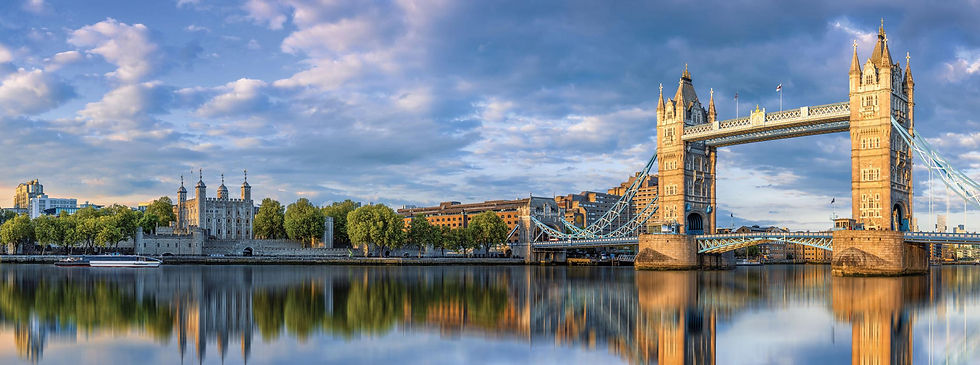
Tower of London
The Tower is central to Mary's story. Lady Jane Grey was imprisoned and executed here, while Mary's half-sister Elizabeth was later imprisoned here after Wyatt's Rebellion.
Westminster Abbey
Mary I is buried in Westminster Abbey. And there's a fascinating twist. She shares her tomb with the very woman who reversed much of her religious work: Elizabeth I.
Winchester Cathedral
Mary married Philip of Spain here in 1554. A chair traditionally associated with the wedding can still be seen in the cathedral.
Did You Know? – England Had a Queen Before Mary
You will often hear Mary described as England's first queen. That's not quite right. England had previously had queens as the wives of kings, and Empress Matilda had fought Stephen for the throne during the Anarchy. Then Lady Jane Grey was proclaimed queen immediately before Mary.
But Mary I was the first woman to successfully rule England as a crowned queen regnant—a queen ruling in her own right, rather than because she was married to a king.
That was enormously important.
Mary helped establish that a woman could possess and exercise the same royal authority as a male monarch. Her half-sister Elizabeth would soon benefit from that precedent.
Historical Highlights
1516 – Mary is born to Henry VIII and Catherine of Aragon.
1533 – Her parents' marriage is annulled and Mary is declared illegitimate.
1553 – Edward VI dies and Lady Jane Grey is proclaimed queen.
1553 – Mary defeats Jane's supporters and becomes queen.
1554 – Lady Jane Grey is executed.
1554 – Mary marries Philip of Spain.
1555 – Burning of Protestant heretics begins.
1556 – Thomas Cranmer is burned at the stake.
1558 – England loses Calais.
17 November 1558 – Mary dies aged 42.
Imagine This...
It's 1553. Your younger brother has died. You discover that his government has tried to remove you from the succession and put Lady Jane Grey on your throne. You flee London with only a small group of supporters. Then something extraordinary happens.
People begin arriving. Hundreds become thousands. Across England, support for Jane collapses. Within days, the supposedly defeated princess is riding triumphantly into London. For the first time, England is about to be ruled successfully by a woman in her own right. Queen Mary I.
Guide's Insider Tip
When visiting Westminster Abbey, find the monument shared by Mary I and Elizabeth I. The sisters could hardly have been more different religiously. Mary spent her reign trying to restore Catholic England. Elizabeth would establish a lasting Protestant Church of England. Yet today the two Tudor queens lie together beneath the same monument. The Latin inscription commemorates both sisters and notes that they rest together in hope of resurrection. It's one of those wonderfully ironic pieces of royal history hiding in plain sight.
What Happened Next?
Mary died in 1558 without the Catholic heir she had desperately wanted. The crown therefore passed to the person she had once imprisoned in the Tower: Anne Boleyn's daughter, Elizabeth. And next we reach one of the biggest names in the entire series: Elizabeth I (1558–1603) – The Virgin Queen and the Spanish Armada
Elizabeth's reign gives us Mary, Queen of Scots, Sir Walter Raleigh, Francis Drake, Shakespeare, the Spanish Armada, the famous Tilbury speech, the beginnings of an English empire—and the question of why Elizabeth never married.


Comments