
James II (1685–1688) – The Catholic King Who Lost His Throne
Who Was James II?
When Charles II died without a legitimate heir, the crown passed to his younger brother James II. James was openly Catholic, which made many people nervous in overwhelmingly Protestant England, but initially they accepted him because his two adult daughters, Mary and Anne, were Protestant.

James was also an experienced naval commander. Before becoming king he was Duke of York, and here's a great fact for American visitors: when the English took New Amsterdam from the Dutch in 1664, it was renamed New York in his honour.
Unfortunately for James, being remembered by one of America's greatest cities didn't help him keep his own kingdom.
Why Did England Turn Against Him?
James believed strongly in royal authority and began appointing Catholics to important positions in the army, government and universities, sometimes overriding laws designed to prevent this. He also tried to give Catholics and Protestant dissenters greater freedom of worship.
Religious tolerance sounds perfectly reasonable today, but many Protestants suspected James had a bigger plan. They feared he wanted to turn England Catholic and rule like his powerful cousin Louis XIV of France, with much less interference from Parliament.
Then James made things worse by ordering Anglican clergy to read his Declaration of Indulgence from their churches. Seven bishops refused, were sent to the Tower of London and put on trial. When they were acquitted, London erupted in celebration. When your own subjects are cheering because you've lost a court case, it's generally not a promising sign.
Then James Had a Son
James's opponents had always had one reassuring thought: he wouldn't be king forever. His Protestant daughter Mary, married to the equally Protestant William of Orange, was expected to inherit the throne.
Then in 1688 James's Catholic wife, Mary of Modena, gave birth to a healthy baby boy. Under the succession rules of the time, a son came before his older sisters, so suddenly England faced the possibility of not just one Catholic king, but a whole Catholic dynasty.
James's opponents were so suspicious that a ridiculous rumour spread claiming the baby wasn't really the queen's at all. According to the story, another baby had been smuggled into her bedroom inside a warming pan.
It wasn't true, but it tells you just how little people trusted their king.
William and Mary Come for the Crown
A group of powerful Englishmen secretly invited William of Orange to intervene. This was quite a family betrayal: William was James's Protestant nephew and his son-in-law, while William's wife Mary was James's own daughter.

William landed in England with a Dutch army in November 1688. James still had his own army, but support for him rapidly collapsed. Leading politicians and soldiers deserted him, and even his daughter Anne abandoned his cause.
Rather than risk a major battle, James decided to flee. Before leaving London he famously threw the Great Seal of the Realm into the Thames, apparently hoping to make government without him more difficult.
James eventually escaped to France, and Parliament decided that by fleeing he had effectively abandoned the throne. William and Mary were offered the crown together.
James had been king for less than four years.
The Glorious Revolution
These events became known as the Glorious Revolution. In England the change of monarch happened with relatively little bloodshed, although fighting followed in Scotland and particularly Ireland, where James attempted to win his kingdoms back.
James was finally defeated by William at the Battle of the Boyne in 1690 and returned to France, where he spent the rest of his life in exile.
More importantly, James's downfall changed the monarchy. Parliament was becoming increasingly powerful and the idea that a king could simply rule however he pleased was disappearing.
The Stuarts had learned this lesson the hard way: Charles I lost his head, and James II lost his throne.
Three Things to See
James II's Statue – Trafalgar Square

Most visitors walk straight past James without realising he's there. Look outside the National Gallery for the bronze king dressed rather grandly as a Roman emperor.
There's something wonderfully ironic about it: James couldn't remain on the English throne for four years, but his statue has managed to remain in central London for centuries.
Tower of London
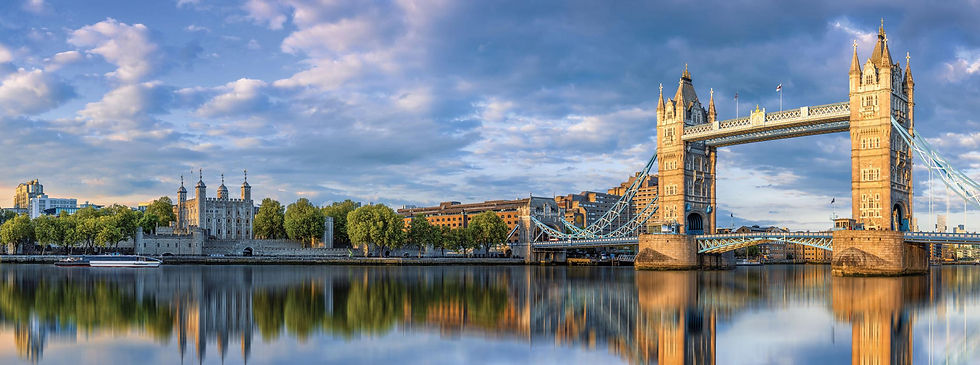
The Tower appears several times in James's short reign. His rebellious nephew, the Duke of Monmouth, was imprisoned here before being executed nearby, and the Seven Bishops were also sent here after defying the king.
While you're there, look at the back of the Imperial State Crown for the large blue Stuart Sapphire. Tradition links the jewel with James II, who supposedly took it with him when he fled England.
St James's Palace
James was born at St James's Palace in 1633. You can't normally tour the palace itself, but you can see its magnificent Tudor gatehouse from St James's Street. It's also a useful reminder that Buckingham Palace isn't actually Britain's oldest or only important royal palace. St James's remains the official royal court even today.
Did You Know? – The Baby in the Warming Pan
When James's son was born, his enemies desperately didn't want to believe England now had a Catholic male heir. A conspiracy theory spread claiming that the baby wasn't really royal at all and had been secretly smuggled into the queen's bedroom inside a warming pan—a metal container normally filled with hot coals and used to warm beds.
There were plenty of witnesses to the birth and the story wasn't true. But seventeenth-century England apparently had royal conspiracy theories every bit as colourful as anything on the internet today.
Historical Highlights
1633 – James is born at St James's Palace.
1664 – New Amsterdam is renamed New York after James, Duke of York.
1685 – James becomes king.
1688 – His Catholic son is born and the Seven Bishops are acquitted.
1688 – William of Orange lands in England and James flees.
1689 – William and Mary become joint monarchs.
1690 – James is defeated at the Battle of the Boyne.
1701 – James dies in exile in France.
Imagine This...
It's December 1688 and James II is slipping away from London. Only three years earlier he had inherited the throne peacefully from his popular brother; now his army is deserting him, powerful politicians have turned against him, his Protestant son-in-law has arrived with an invasion force and even James's own daughters have abandoned his cause. Before escaping, he throws the Great Seal of the Realm into the Thames, hoping to make governing without him more difficult, but it doesn't save his throne. James reaches France while Parliament concludes that by fleeing he has abandoned the crown. His own daughter Mary and her husband William will soon be ruling in his place. James hasn't lost his head like his father Charles I—but he has lost his kingdom.
Guide's Insider Tip
When you're in Trafalgar Square, look for James II's statue outside the National Gallery. He's dressed like a Roman emperor and is surprisingly easy to miss among the crowds. Don't be fooled by the outfit though - James did not actually dress like this. It was the seventeenth-century equivalent of making your profile picture look as powerful as possible.
Then look down Whitehall towards Banqueting House and think about this extraordinary family. James's father Charles I was executed there, his brother Charles II triumphantly restored the monarchy, and James managed to lose the throne again less than thirty years later. Few families have made such a spectacular mess of being kings.
If you're also visiting the Tower of London, look for the blue Stuart Sapphire at the back of the Imperial State Crown. Tradition says James took the jewel into exile with him. The king never came back—but the sapphire did.
What Happened Next?
James was gone, but Parliament didn't simply give the crown to his daughter Mary. Instead, Mary and her husband William of Orange became joint monarchs: William III and Mary II.
Their reign would produce the hugely important Bill of Rights, limiting royal power and strengthening Parliament. They would also transform a modest house outside crowded central London into one of Britain's most famous royal residences: Kensington Palace.


Comments