
Henry VII (1485–1509) – Bosworth and the Birth of the Tudors
- Belinda Hath
- Aug 1
- 5 min read
Who Was Henry VII?
Henry VII was the man who defeated Richard III at the Battle of Bosworth, ended the rule of the Plantagenets and founded one of the most famous royal dynasties in English history: The Tudors.
But Henry was not an obvious choice for king.
His claim to the throne was actually quite weak, and he had spent much of his life in exile. What he did have was Lancastrian blood, determination—and the ability to take advantage of England's exhaustion after decades of fighting between Lancaster and York. In 1485, Henry returned to England with an army.
By the end of the Battle of Bosworth, Richard III was dead and Henry Tudor had become King Henry VII.
How Did Henry Tudor Have a Claim to the Throne?
Henry's royal claim came through his mother, Margaret Beaufort. She descended from John of Gaunt, son of Edward III and ancestor of the House of Lancaster. There was a problem, though. The Beaufort family had originally been born outside marriage. Although they were later made legitimate, they had previously been excluded from inheriting the crown.
So Henry's claim was hardly straightforward. In reality, Henry became king for a much simpler reason: He defeated the king and won the crown. At Bosworth, Richard III was killed in battle and Henry's supporters proclaimed Henry king. But Henry knew that winning the crown was one thing. Keeping it was another.
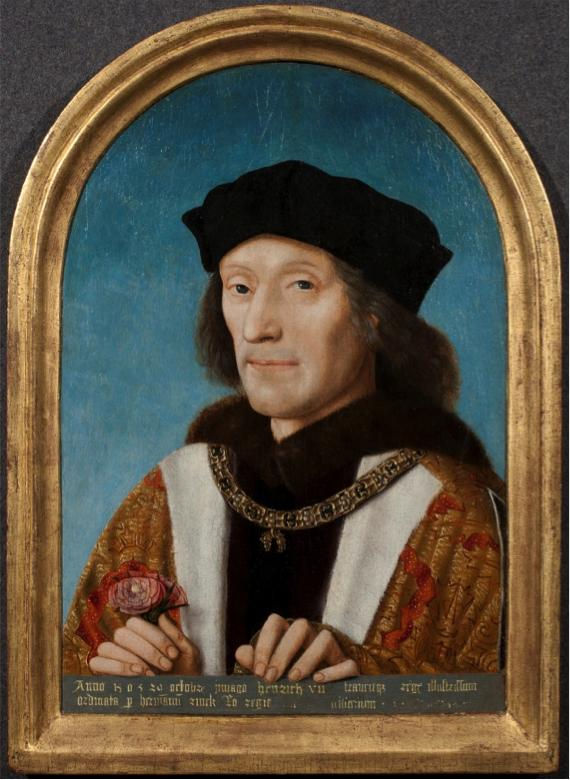
The Marriage That United Lancaster and York
Henry had made a clever promise before becoming king. If he defeated Richard III, he would marry Elizabeth of York, the daughter of Edward IV. It was the perfect political marriage. Henry represented the Lancastrian side. Elizabeth represented the House of York.
They married in 1486, symbolically bringing the two rival families together. And from their union came one of the most recognisable symbols in British history: The Tudor Rose
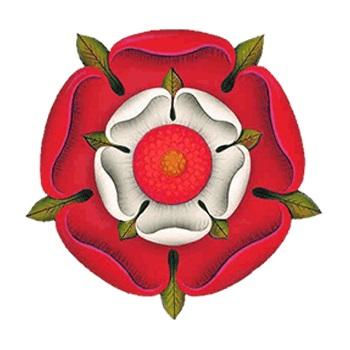
The red rose of Lancaster was combined with the white rose of York to create the red-and-white Tudor Rose. Its message was simple: The family feud was over. A new dynasty had begun.
Did Henry VII Really End the Wars of the Roses?
Mostly—but not immediately.
Winning at Bosworth didn't mean everyone suddenly accepted Henry as king. Yorkist supporters still existed, and several plots attempted to remove him. One of the strangest involved a boy called Lambert Simnel, who was presented as a missing Yorkist prince and actually crowned king in Dublin. Henry defeated Simnel's supporters at the Battle of Stoke Field in 1487, often considered the final major battle of the Wars of the Roses.
Rather surprisingly, Henry didn't execute the young impostor. He decided the boy had been manipulated by powerful adults and gave him a job in the royal kitchens instead.
From pretend king to kitchen worker—that's quite a career change.
Another pretender, Perkin Warbeck, later claimed to be one of the missing Princes in the Tower and caused Henry considerably more trouble before eventually being executed.
A King Who Watched the Money
Henry VII was very different from the warrior kings who came before him. He understood that money meant power. Rather than constantly fighting expensive wars, Henry concentrated on restoring royal finances, controlling powerful nobles and making the monarchy financially secure. He became famous for keeping extremely detailed financial records and personally checking royal accounts.
By the end of his reign, the Crown was considerably richer and more stable.
His son would eventually inherit that wealth. Unfortunately for Henry's carefully saved fortune, that son was...Henry VIII. And Henry VIII rather enjoyed spending money.
A Family Tragedy Changes Everything
Henry and Elizabeth's eldest son was Arthur, Prince of Wales. Arthur was expected to become the next king and married the Spanish princess Catherine of Aragon in 1501.
But just months after their wedding, Arthur suddenly died aged only 15.
That meant Henry's younger son became heir to the throne. His name was also Henry. And eventually, he would marry his dead brother's widow, Catherine of Aragon. That marriage would lead to one of the greatest upheavals in English history—the English Reformation. But that's tomorrow's story...

Three Things to See
Westminster Abbey
Henry built the spectacular Lady Chapel at Westminster Abbey, now commonly known as the Henry VII Chapel. Henry and Elizabeth of York are buried together beneath a magnificent tomb inside.
Tower of London
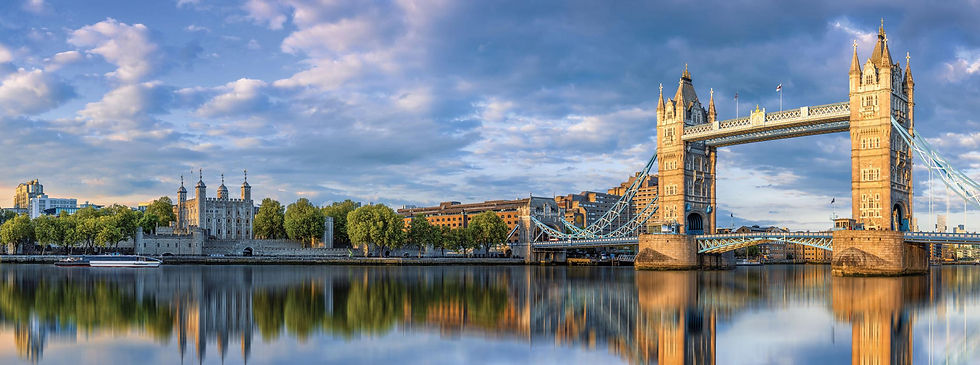
Henry used the Tower during his reign, and several Yorkist rivals and pretenders connected with his struggle to secure the throne were imprisoned there.
Richmond Palace
Henry built a magnificent royal palace at Richmond beside the Thames. Most of it has disappeared, but the surviving remains recall the king whose earldom of Richmond had given him his title before he took the crown.
Did You Know? – Where Did the Name Tudor Come From?
The name Tudor wasn't originally an English royal name at all. Henry's grandfather was Owen Tudor, a Welsh courtier who formed a relationship—and probably a secret marriage—with Catherine of Valois, the widow of Henry V. Yes—the widow of Henry V.
Their descendants eventually included Henry Tudor. So within just a few generations, the family went from a Welsh courtier marrying a widowed queen to establishing one of the most famous royal dynasties in history.
Historical Highlights
1457 – Henry Tudor is born.
1485 – Defeats Richard III at the Battle of Bosworth.
1485 – Becomes Henry VII.
1486 – Marries Elizabeth of York.
1487 – Defeats the Yorkist rebellion at Stoke Field.
1501 – Arthur marries Catherine of Aragon.
1502 – Arthur dies aged 15.
1503 – Elizabeth of York dies.
1509 – Henry VII dies and his son becomes Henry VIII.
Imagine This...
It's 22 August 1485. Richard III lies dead on the battlefield at Bosworth. According to tradition, Richard's crown is found nearby and brought to Henry Tudor. Henry has arrived in England as an exile with a questionable claim to the throne. He leaves the battlefield as: King Henry VII. After decades of Lancaster fighting York, England is about to enter a completely new age. The age of the Tudors.
Guide's Insider Tip
When visiting Westminster Abbey, make sure you continue beyond Edward the Confessor's shrine into the magnificent Henry VII Lady Chapel. Look around at the extraordinary fan-vaulted ceiling, then find the tomb of Henry VII and Elizabeth of York.
You're looking at the couple whose marriage symbolically reunited Lancaster and York and created the Tudor dynasty. And once you start looking around London, keep an eye out for the Tudor Rose. You'll find versions of it decorating royal buildings, churches and monuments throughout the city.
What Happened Next?
Henry VII left his son a secure throne, a wealthy Crown and a new royal dynasty. The next king inherited all of it—and became perhaps the most famous English monarch of them all: Henry VIII – Six Wives and the Break with Rome.


Comments