
Henry III (1216–1272): The King Who Built Westminster Abbey
- Belinda Hath
- Jul 30
- 3 min read
Who Was Henry III?
Henry III became king in 1216 at just nine years old, after the death of his father, King John. England was in the middle of a civil war, with many barons supporting Prince Louis of France as the rightful king.
Too young to rule himself, Henry's kingdom was saved by the famous knight William Marshal, often called the greatest knight who ever lived. Marshal defeated the rebels, secured Henry's throne and reissued Magna Carta, helping unite the kingdom once again.
Henry would eventually reign for 56 years—the longest reign since the Norman Conquest.

A Boy King Saved by a Legend
When Henry inherited the throne, many believed England was on the brink of collapse. Prince Louis had captured much of southern England and even occupied London.
William Marshal, serving as Regent, rallied the loyal barons and defeated the rebels at the Battle of Lincoln in 1217. A second victory at sea off Sandwich forced Prince Louis to abandon his claim to the English throne. Without William Marshal, Henry III may never have remained king.
Building Westminster Abbey
Henry III is remembered less for battles and more for his passion for religion and architecture. He greatly admired Edward the Confessor, England's royal saint, and decided to rebuild Edward's old abbey church in a magnificent new Gothic style.
Construction began in 1245, creating much of the spectacular Westminster Abbey visitors see today. Henry also moved Edward's remains into an elaborate shrine at the heart of the Abbey, making it one of the most important pilgrimage sites in medieval England.

Almost every English and British monarch since William the Conqueror has been crowned there, making Henry's greatest achievement one that continues to shape royal history today.
Simon de Montfort and Parliament
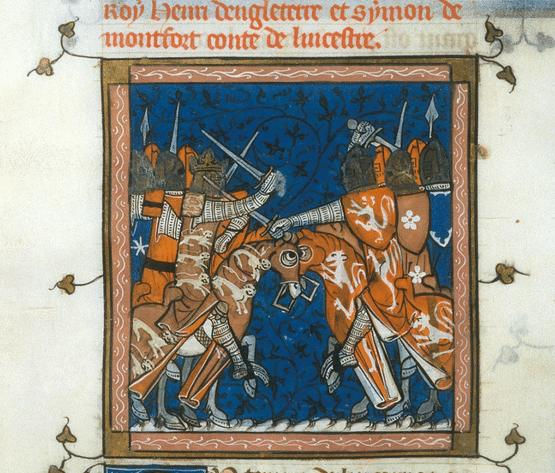
Towards the end of Henry's reign, many barons became frustrated by his spending and poor financial management. Their leader was Simon de Montfort, one of the most remarkable figures in medieval England. In 1264, Simon defeated Henry at the Battle of Lewes, capturing both the king and his son, the future Edward I.
The following year, Simon summoned a parliament that included not only nobles and bishops but also representatives from towns and counties. Many historians regard this as the beginning of the House of Commons and a major step towards modern parliamentary democracy.
Although Simon was later defeated and killed at the Battle of Evesham, his ideas changed English government forever.
Three Things to See
Westminster Abbey
Henry III's greatest legacy. Admire the magnificent Gothic architecture, visit the Shrine of Edward the Confessor, and stand where almost every monarch has been crowned for nearly 1,000 years.
The Houses of Parliament
Although the current buildings are Victorian, this site witnessed Simon de Montfort's revolutionary parliament during Henry's reign.
Temple Church
One of London's finest medieval churches, Temple Church survived Henry's reign and provides a fascinating glimpse into the world of the Plantagenets.
Did You Know?
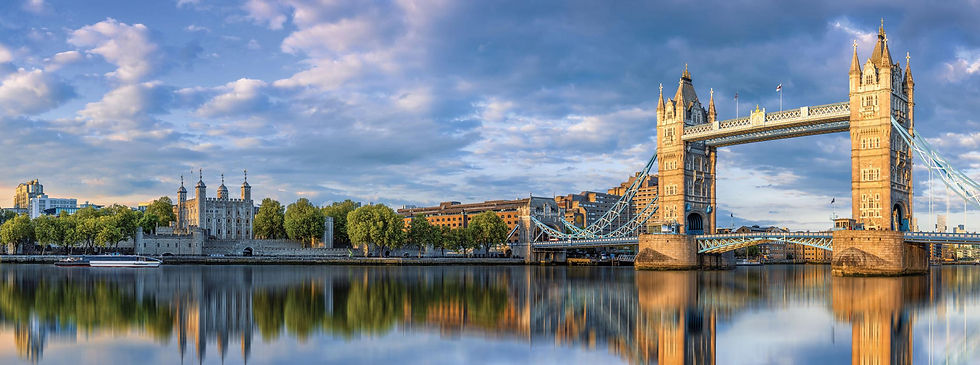
Henry III had a pet polar bear, given to him by the King of Norway. It lived at the Tower of London and was allowed to swim and catch fish in the River Thames while attached to a long chain—a sight that amazed Londoners!
Historical Highlights
Became king aged just nine.
Saved by William Marshal during the First Barons' War.
Reissued Magna Carta several times.
Rebuilt Westminster Abbey in the Gothic style.
Commissioned the magnificent Shrine of Edward the Confessor.
Witnessed Simon de Montfort's Parliament, a milestone in the development of Parliament.
Reigned for 56 years.
Imagine This...
It's 13 October 1269. Hundreds of monks, bishops and nobles fill the magnificent new Westminster Abbey. Incense fills the air as Henry III watches the glittering shrine of his hero, Edward the Confessor, being dedicated. The Abbey is unlike anything England has ever seen. Nearly 800 years later, millions of visitors still admire the building Henry created.
Guide's Insider Tip
When visiting Westminster Abbey, don't rush past the Shrine of Edward the Confessor. It was Henry III's devotion to England's royal saint that inspired the rebuilding of the Abbey. Take a moment to look up at the soaring Gothic arches—you are standing inside one of the greatest architectural achievements of medieval Europe.
Henry III is often overshadowed by his famous father, King John, and his formidable son, Edward I. Yet his reign shaped England in lasting ways, preserving Magna Carta, rebuilding Westminster Abbey, and witnessing the birth of representative government through Simon de Montfort's Parliament.
A couple of thoughts for your series
This is one of the strongest articles because Henry III's reign naturally connects several of the biggest stories in English history:
William Marshal, arguably England's greatest knight.
Westminster Abbey, one of Britain's most iconic landmarks.
Simon de Montfort, often called the "Father of Parliament."
The wonderfully quirky story of the Tower of London's polar bear, which readers tend to remember.


Comments